
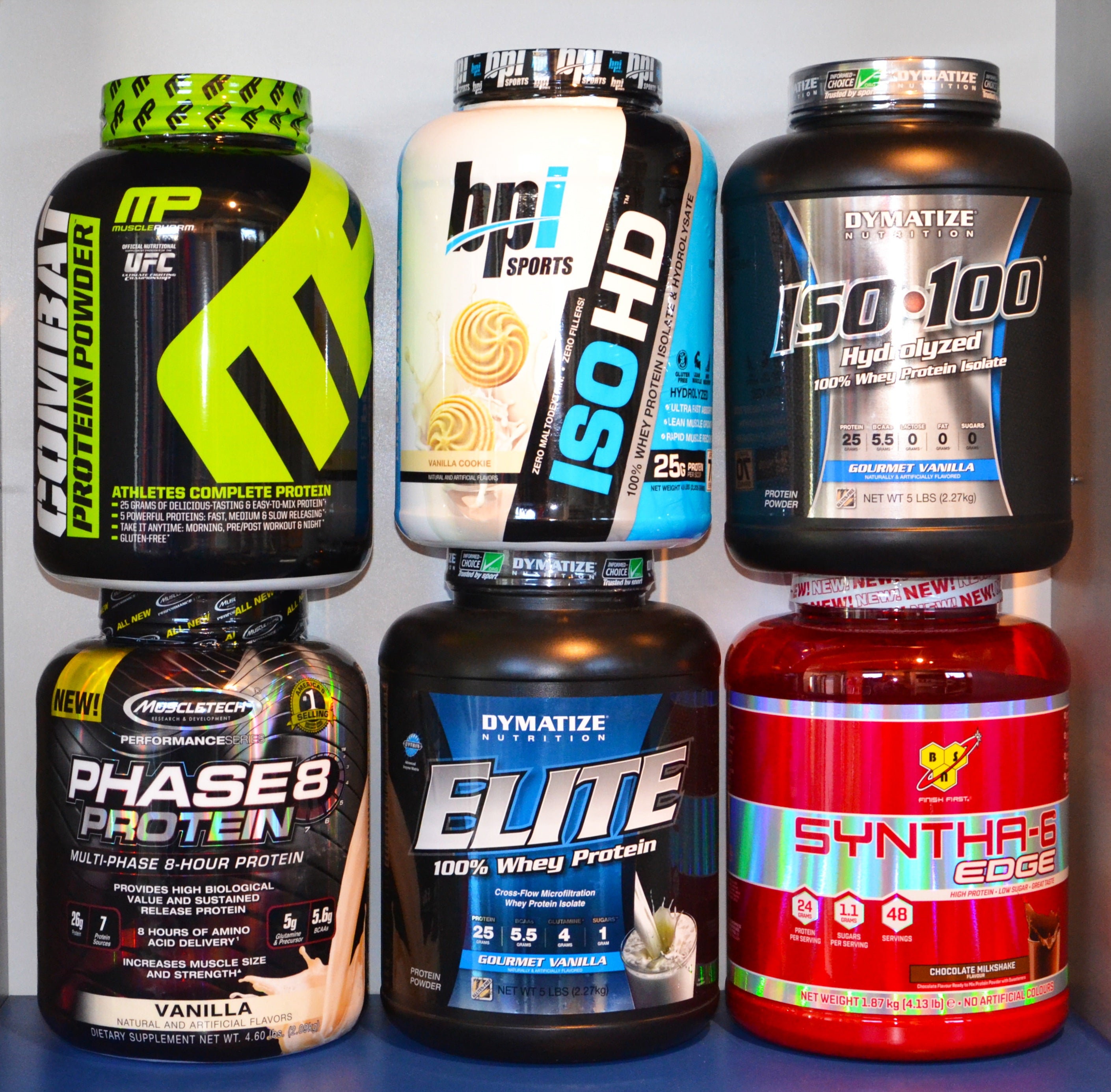
Here at Youth Sport Nutrition, we always advocate a food first approach when it comes to nutrition. Fuelling our bodies from a healthy and balanced diet should be the number one priority for all young athletes.
However, we also understand navigating nutrition information and education can often be a battlefield. Combine that with intense training schedules, late-night meals and often selective eating habits, ensuring your body has the right balance of what it needs to grow, repair and perform can be incredibly challenging.
Nutritional supplements can offer a practical and convenient solution to these challenges and their popularity is increasing rapidly, especially amongst younger athletes.
A number of recent reports [1,2,3] suggest between 82-100% of adolescent athletes consume some sort of supplements ranging from multivitamins to sports drinks and protein powders. Considering the huge number of youth athletes already consuming supplements, we take a look at whether young athletes need to use a supplement.
What is a supplement?
Before we start, lets first consider what a supplement actually is. According to the Cambridge dictionary, a supplement is defined as “something that is added to something else in order to improve it or complete it; something extra”.
So, in the context of nutritional supplements, this will be something you consume alongside your normal diet, rather than to replace it.
What are sports supplements?
The term sports supplements can refer to a wide range of products including over the counter medications, health-related products such as vitamins and minerals and ergogenic aids which are products taken solely to enhance performance [4].
For this article, we will cover dietary sports supplements, buts it’s important to understand that the topic encompasses a huge area within the sports world.
Why do people use sports supplements?
There are a number of different reasons why athletes may choose to use supplements such as [4]:
- Improving a poor diet.
- To add additional nutrients needed for increased demands of training or those not available from the diet.
- To promote recovery from exercise, illness or injury.
- To provide an ergogenic aid during training or competitions.
- To combat busy schedules, lack of time, lack of availability or selective eating habits.
A particular concern for those with young athletes, is often the belief consuming a supplement will provide athletes with a distinct advantage over opponents. Other concerns are around that they offer a quick fix to improving performance, body composition, strength or simply because their teammate uses them.
It’s incredibly important for all young athletes to realise there are no short cuts to success and taking supplements alone won’t make them better athletes.
If it sounds too good to be true, it probably is.
When should I use supplements?
As mentioned, supplements can be a good addition to the diet when consumed in the right way. A food first approach should always be used, and supplements should only be considered when this isn’t possible or incorporated into an already varied and balanced diet.
Remember:
Supplements don’t contain anything you can’t get naturally from the diet and if they do, they’re banned!
Supplements, do however, offer a more convenient form of many nutrients and often contain higher amounts of micronutrients than what can be obtained from food, making them a potentially more practical solution.
Similarly, they’re often a more palatable choice and easier on the stomach, which can be important when an athlete is trying to consume a recovery meal at 10pm and be in bed by 10.15pm.
Are there risks with using supplements?
If you or your young athlete are considering using a supplement, the first thing to do is educate yourself and do research. If you think supplements are the right choice, then look out for the Informed Sport logo.
Informed Sport is a risk reduction programme, used to check the safety and purity of supplements. Companies can opt to have their products independently tested for illegal or banned substances, which is incredibly important when supplements can become contaminated during manufacturing.
As many as 1 in 10 supplements have been found to contain banned ingredients, often not even listed on the label! [5] Not only is this essential for athletes who are drug tested but knowing what’s in your supplement is vital to anyone taking them.
Before buying any supplement, whether that’s protein powders or multi-vitamins, always ensure they’re independently tested, both from looking at the label and checking the Informed Sport site.
Just because the label is on there doesn’t mean the company do the tests. For athletes who are drug tested, make sure you always get the batch certificate for testing and keep this safe.

Taking any form of supplement carries a risk of inadvertently consuming a substance that may be prohibited or harmful. Always buy products from reputable sites and make sure they’re independently tested.
More information on prohibited substances can be found on the WADA and UKAD sites and if you’re unsure, consult a sports nutritionist first.
Youth Sport Nutrition advocate a food first approach:
Speak to a qualified sports nutritionist:
Every young athlete is unique, and individual nutritional needs may vary. Consider seeking guidance from a nutritionist, registered dietitian or healthcare professional experienced in sports nutrition. They can provide personalised advice tailored to your child's specific needs. Youth Sport Nutrition offer a tailored service with professional nutritionists online, at a time that works for you, and a very competitive price, find out more.
Explore Youth Sport Nutrition products:
For times when good quality whole-foods are not available, Youth Sport Nutrition created NUTRI-TEEN Shakes. A delicious, nutritionally rich food powder specifically developed for active children. Each powdered milkshake is packed with all the necessary macronutrients, vitamins and minerals to support recovery, normal growth and development. Youth Sport Nutrition are rated excellent on TrustPilot, and offer 100% happiness guarantee. After all, kids can be fussy eaters so, if the first flavour you try isn't right for your child, we'll replace it with a new flavour free of charge or your money back. Try today here.
Disclaimer: This article is intended to provide general information about nutrition for youth athletes and is not meant to replace professional dietary advice or individual nutritional counselling. Every child's nutritional needs can vary due to factors such as age, size, physical activity level, and medical conditions. We strongly recommend consulting with a registered dietitian or a healthcare provider before making changes to your child's diet, such as adding food powders. YSN and the author of this article do not take responsibility for any possible consequences from any treatment, procedure, dietary modification, action, or application of medication which results from reading or following the information contained in this article.
References
- Parnell, J., Wiens, K., and Erdman, K. (2016) Dietary Intakes and Supplement Use in Pre-Adolescent and Adolescent Canadian Athletes. Nutrients, 8(9), p. 526.
- Wiens, K., Erdman, K., Stadnyk, M., and Parnell, J. (2014) Dietary Supplement Usage, Motivation, and Education in Young Canadian Athletes. International Journal of Sport Nutrition and Exercise Metabolism, 24(6), pp. 613-622.
- Jovanov, P., Đorđić, V., Obradović, B., Barak, O., Pezo, L., Marić, A., and Sakač, M. (2019) Prevalence, knowledge and attitudes towards using sports supplements among young athletes. Journal of the International Society of Sports Nutrition, 16(1).
- Mottram, D. R. (Ed.), Mottram, D. (Ed.), Chester, N. (Ed.). (2018). Drugs in Sport. London: Routledge, https://doi.org/10.4324/9781315222790
Leave a comment